The Safest Traveler
Is The Well-Informed Traveler
Our Story
A bus driver speeds down the wrong lane of an ill-maintained, narrow road with a sharp curve and no guard rail. The road has long been on a government list of high crash sites in need of repair. The bus hits oncoming traffic and plunges down a deep ravine. Twenty-three people are killed, including Aron Sobel, a 25-year old medical student, two weeks before his graduation. He was volunteering at a hospital and then traveling in Turkey.
Aron died in 1995, but stories like his continue to occur daily, devastating families and communities.

The Issue
Everyday, 3,700 die on the roads of the world.

Vision
ASIRT, the Association for Safe International Road Travel, envisions a world in which no one dies or sustains life-altering injuries on the roads.

Mission
ASIRT’s mission is to improve the safety of travelers on the world’s roads through education and advocacy.
2026 ASIRT Annual Gala
Thursday, November 12, Washington, DC
Stay Informed
See recent road safety trends and updates and sign up for our quarterly newsletter.
Support Safe Travel
ASIRT believes in the excitement of travel and exploration—but we believe in safe travel even more. Help us protect travelers so everyone can experience the world with confidence!
LEARN THE FACTS
The first step to developing effective road safety interventions is to know the facts.
2026 PSA Contest is Open
Montgomery County, Maryland, middle and high school students are invited to participate. Learn about road safety, earn SSL hours, and submit your video before Octoer 4 for a chance to win a prize. Contest information and guidelines.
 RSR Fast Fact: Greece
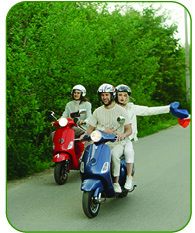
When in beautiful Greece, it can be tempting to enjoy the sunshine by renting a motorbike, moped or scooter to zip around the narrow, scenic roads. What many visitors don’t know is that these vehicles are regularly involved in serious and deadly crashes, particularly on islands. Rentals are often poorly maintained and may lack working lights, brakes and other standard safety equipment. Visiting drivers may not have a full grasp of road patterns and traffic laws, adding to risks — as does local driving culture, which includes road rage, failure to wear seatbelts, unsafe overtaking and reckless driving.
Thank you to our generous sponsors

View additional sponsors